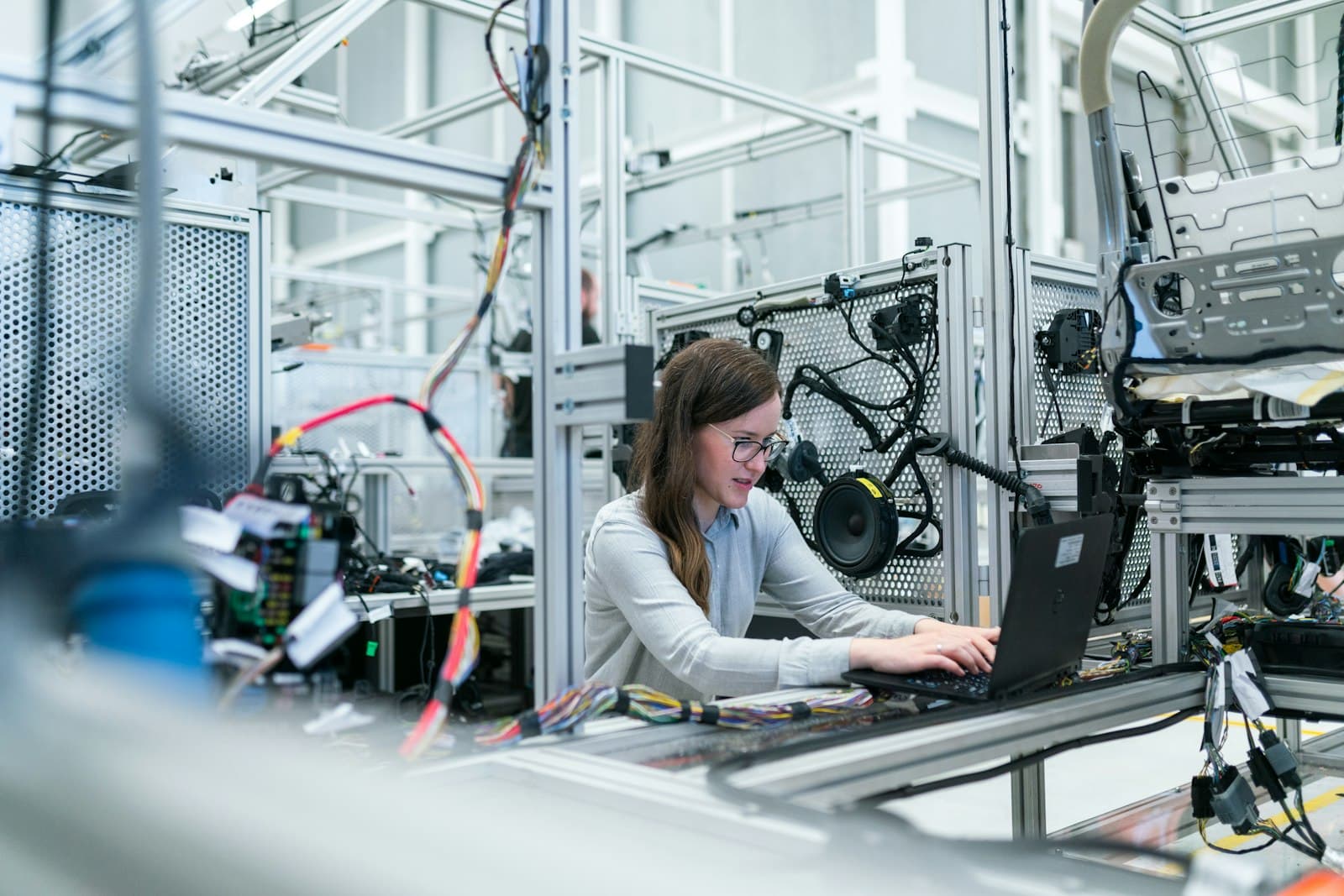

Introduction to Artificial Intelligence (AI)
Google Career Certificates · Google AI Essentials
Why we picked this: The clearest 10-minute plain-language explainer we've found — no jargon, no hype.
Watch on YouTube ↗New cohorts start on the 1st & 15th of every month — applications open
Until AI becomes just another school subject.
Daily live classes for ambitious students aged 9–15.
For young builders ready for what comes next.
What We Actually Teach
Tools change monthly; this year's tricks are obsolete by next year. We don't teach button-clicking. We teach the way of thinking that never expires: how engineers command AI.
“The hottest new programming language is English.”
This is why we teach in English: it's no longer just a school subject — it's the language you command AI with.
Break a big idea into steps an AI can execute — the first instinct of every engineer facing a hard problem.
The prompt is the new code. Turn a vague thought into instructions an AI cannot misunderstand — in English.
The first version is never good enough. Rewrite the prompt, compare outputs, improve — discipline beats talent.
AI gets things wrong with total confidence. Check facts, question outputs, argue from evidence.
Know what good work looks like — and push the AI until it meets your standard. In the AI era, taste is leverage.
These five habits work for homework, for research, for building a company — and no model update can ever devalue them.
Free, Right Now
Hand-picked lessons from Google, Code.org, and other trusted educators. No signup required.
Google Career Certificates · Google AI Essentials
Why we picked this: The clearest 10-minute plain-language explainer we've found — no jargon, no hype.
Watch on YouTube ↗Google Career Certificates · Google AI Essentials
Why we picked this: A genuinely good primer on why the prompt is the new code — the core idea behind our whole curriculum.
Watch on YouTube ↗CrashCourse (PBS Digital Studios / Complexly)
Why we picked this: A fun, well-produced full series (20 episodes) for teens who want to go deeper on their own time.
Watch on YouTube ↗Why AI Youth Lab
Most AI classes for kids teach tools. We run a structured lab where students turn curiosity into finished, presentable work — with real practitioners in the room.
Curriculum designed and reviewed by engineers, researchers, and product experts with experience at leading AI and technology companies — people building the tools your child will grow up with.
Every student ships a real project — not a certificate of attendance. Eight weeks of structured building culminate in a Demo Day presentation reviewed by guest mentors.
Instruction is in English, preparing students to think, present, and collaborate in the global language of technology — a durable advantage for international school and study-abroad paths.
Teacher-guided AI use with clear guardrails: critical thinking over copy-paste, fact-checking over blind trust, parent visibility over black boxes. No homework-writing, ever.
Program Tracks
Placement is by age, English comfort, and interest — confirmed during admissions.

Ages 9–11
For curious beginners who love stories, images, and ideas. Students turn imagination into real, presentable work — no coding background required. The engineering habits — decompose, specify, iterate — take root here, wrapped in creativity.

Ages 12–15
For students drawn to technology, products, and research. Students go deeper — prompt engineering, AI-assisted coding, and prototyping — and finish with portfolio-grade work.
The 8-Week Journey
A deliberate arc: foundations first, then creation, then a real build, then a real audience.
Output: My AI Learning Map
Output: Personal AI Assistant Prompt Pack
Output: AI-supported story or mini research report
Output: Visual identity for the final project
Output: Project pitch deck draft
Output: Working mini prototype
Output: Final project, ready to present
Output: Demo Day presentation · Certificate · Personal project page
Weeks 9–12 · Optional
After Demo Day, graduates can join an optional four-week on-site immersion in the San Francisco Bay Area. Tuition is $0 for AI Youth Lab graduates — families cover travel and accommodation only.
Families arrange and cover flights, visas, lodging, and insurance. We issue invitation letters immediately upon enrollment to support visa applications, and our visa coordinator guides you through the process. Seats are limited per cohort and confirmed during admissions.
$0 tuition
for cohort graduates
What Students Build
Every cohort ends with real, presentable projects. Examples below show the kind of work students produce.
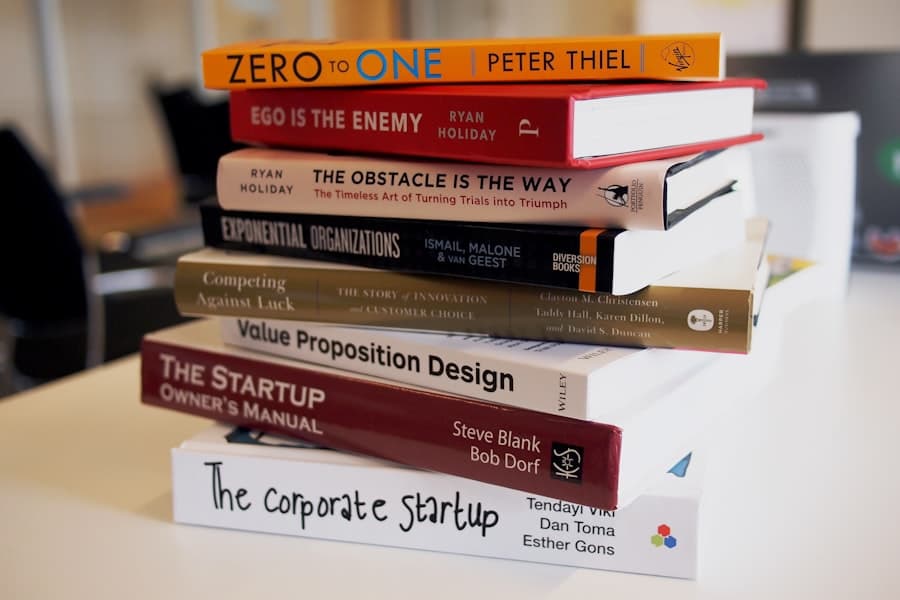
A 24-page illustrated storybook about marine conservation, written and art-directed by the student with AI as a creative collaborator — every fact checked against real sources.
“What impressed me was the revision process — she rejected the AI's first drafts and pushed for better ones. That's real creative direction.”
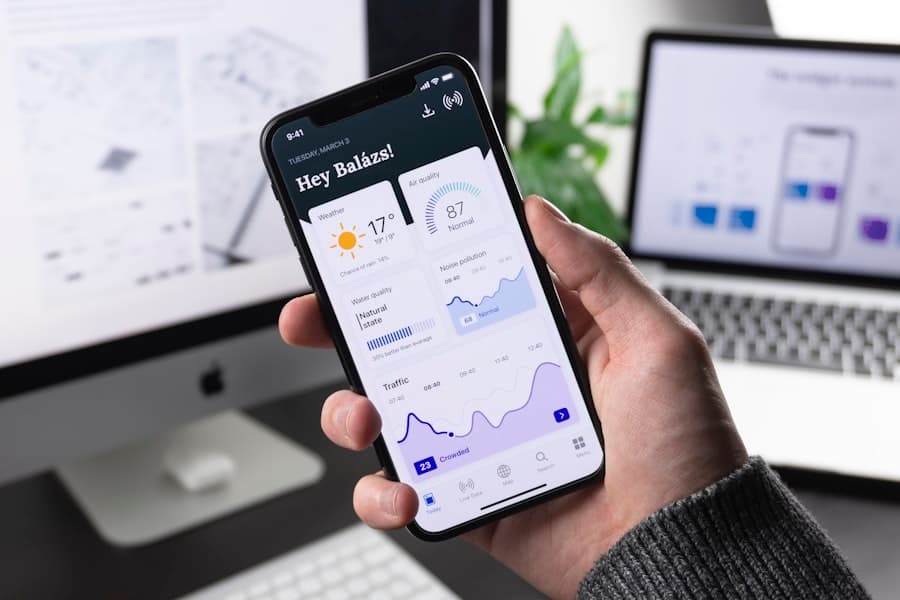
A working app prototype that helps students plan revision schedules. Built with AI-assisted coding, tested with real classmates, presented with a live demo.
“He scoped it like an engineer: cut features, shipped the core, demoed it live. Exactly the instinct we try to teach.”

A mini research project analyzing how recommendation systems influence viewing habits, with an original survey of 40 students and an English research presentation.
“A genuinely good research question, honest about its limitations. Better methodology than some undergrad work I've reviewed.”

An interactive website teaching younger kids about living on the Moon, with AI-generated illustrations, quizzes, and a narrated tour — all in English.
“Clear structure, great visual consistency, and he explained every AI tool choice he made. Confident work.”
Mentors
Daily classes are taught by our instructors; guest mentors join scheduled sessions, review student projects, and sit on the Demo Day panel.
Meet the Mentors
Senior Machine Learning Engineer
OpenAI
Curriculum Advisor · Demo Day Reviewer

Staff Software Engineer
Google DeepMind
Guest Speaker · Project Mentor
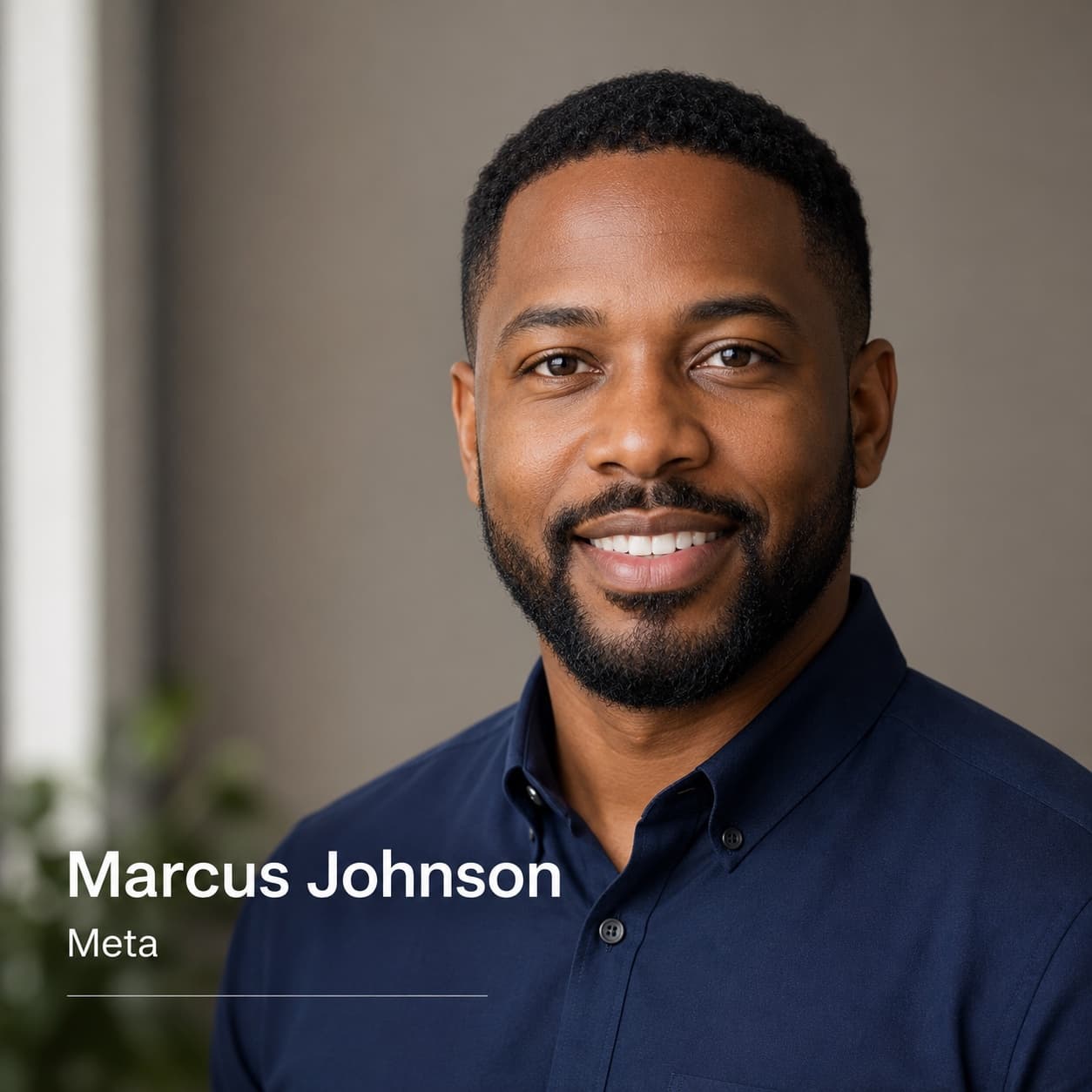
AI Product Lead
Meta
Guest Speaker · Demo Day Panel
Research Scientist
Anthropic
Guest Speaker · Curriculum Advisor
Mentors and guest speakers participate in their personal capacity. Company names and work backgrounds are shown for identification only and do not imply endorsement, sponsorship, or affiliation by their employers.
What Families Say
My son has taken coding classes since he was seven. This was the first time he built something he couldn't stop talking about at dinner. The mentor Q&A alone was worth the tuition.
We chose it for the English immersion and kept it for the standards. No cartoons, no games disguised as learning — a real syllabus, real deadlines, and a real audience at the end.
Her Demo Day presentation — in English, to engineers from companies I read about in the news — is now the first thing on her international school application portfolio.
I sat in on the Week 1 safety class out of curiosity. They spent forty minutes teaching kids how to catch AI making things up. That's when I knew we'd chosen the right program.
As someone who works in tech myself, I was skeptical of 'AI for kids' courses. The curriculum here is the real thing — my daughter now explains prompt engineering to me at dinner.
The time zones actually work — evening classes in Korea, real Silicon Valley engineers on the call. My son's English improved as a side effect of caring about what he was building.
Admissions
We place every student deliberately. The result: cohorts where every child can genuinely keep up — and be stretched.
Submit the application form with your child's background, interests, and goals. It takes about five minutes.
Our admissions team reviews English comfort, prior exposure to technology, and motivation — via questionnaire and, when helpful, a short conversation.
We recommend Junior Creator or AI Builder, and the class format that fits — small group, premium cohort, or 1:1 mentorship.
Confirm your seat, complete payment, and receive the onboarding pack: schedule, tools setup, and a parent orientation guide.
Weekly live sessions, project assignments, instructor feedback, and parent progress updates throughout.
Students present their finished projects in English to guest mentors, receive feedback, and earn their certificate and personal project page.
What Your Child Walks Away With
Every graduate finishes with three things a report card can't capture.
Certificate of Completion
This certifies that
Student Name
has completed the 8-week AI Youth Lab project academy and presented an original project at Demo Day
Oct 1, 2026 Cohort · AI Builder Track
Certificate of Completion Illustrative sample
Signed by the program director and reviewed mentors — built for school portfolios.
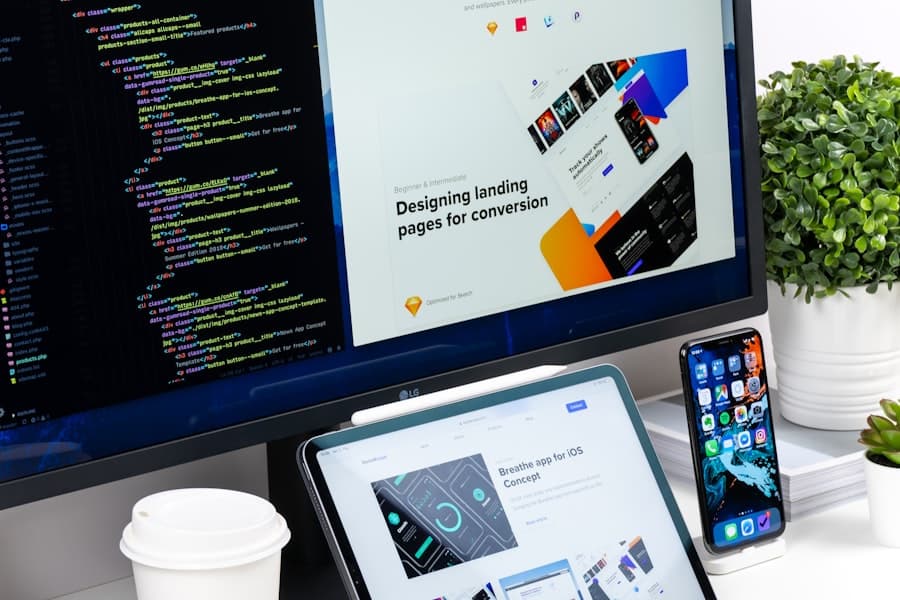
EcoSort — Smart Recycling Assistant
Built by Kevin, 15 · AI Builder Track
Personal Project Page Illustrative sample
A shareable page for the finished project — the seed of a future portfolio.
Week 4 Progress Report
AI Youth Lab → Parent
Prompt engineering: strong iteration habits
English participation: speaking up daily
Project milestone: visual identity complete
Parent Progress Reports Illustrative sample
Plain-language updates at weeks 2, 4, 6 and after Demo Day — what they built, where they grew.
For Parents
High expectations and healthy guardrails are not in tension — they're the whole design.
New cohorts start on the 1st & 15th of every month — applications open
Seats are limited by design — small groups are how real mentorship works. Apply now and our admissions team will guide you through placement.